Advanced Weather Monitoring Devices
Key Takeaways
- Weather monitoring devices provide real-time data for better outdoor management.
- Installation is generally straightforward and can be integrated with smart home systems.
- Features vary widely; choose a device that meets your specific needs.
- Investing in a weather monitoring system can save time, resources, and enhance yard aesthetics.
As homeowners increasingly seek to optimize their outdoor spaces, advanced weather monitoring devices have become essential tools. These devices allow you to track weather conditions in real-time, helping you make informed decisions about your yard maintenance. Understanding the features, installation processes, and integrations with other smart systems can significantly enhance your outdoor living experience. In this guide, we will explore everything you need to know about these innovative devices.
What are advanced weather monitoring devices?
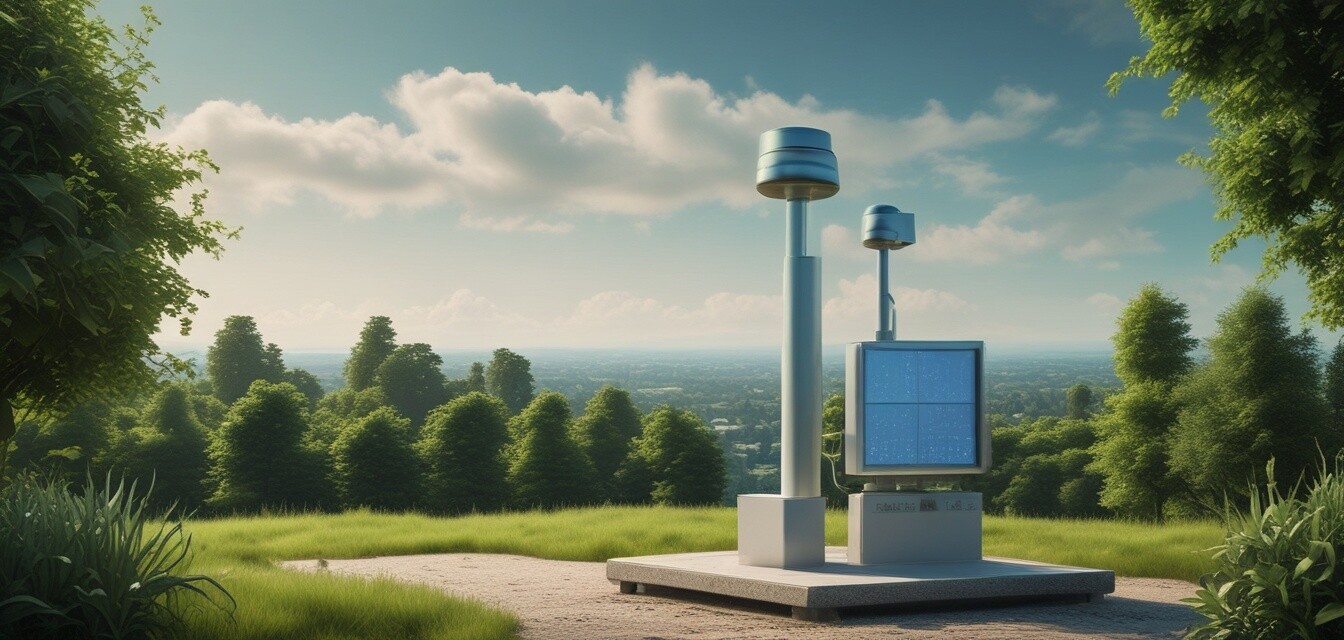
Advanced weather monitoring devices are equipped with various sensors that measure temperature, humidity, wind speed, rainfall, and more. They provide valuable data to homeowners, enabling them to manage their yards effectively. By integrating these devices with your smart home ecosystem, you can automate watering schedules, optimize energy usage, and even gain insights into storm patterns.
Key features to consider
| Feature | Description |
|---|---|
| Real-time data | Provides current weather updates to help plan outdoor activities. |
| Multiple sensors | Tracks various weather parameters such as humidity, temperature, and rainfall. |
| Smart integrations | Works with smart home systems for automation and remote access. |
| Alerts and notifications | Sends alerts for severe weather conditions to help you prepare. |
Installation process
Installing a weather monitoring device is typically straightforward. Here’s a step-by-step guide:
- Choose the right location: Select an area away from obstructions like trees or buildings.
- Install the mounting bracket: Use screws or anchors to secure the bracket.
- Attach the device: Follow the manufacturer's instructions to fix the weather station onto the bracket.
- Connect to power: Connect it to a power source if needed, or ensure it's equipped with batteries.
- Set up the app: Download the corresponding app and follow the setup prompts to connect your device.
Integration with other smart systems
Advanced weather monitoring devices can seamlessly integrate with other smart home systems. This integration enables automation and enhances the functionality of your outdoor space. For example:
- Connect with smart irrigation systems to automate watering based on real-time weather data.
- Integrate with smart outdoor lighting to adjust lights based on sunset and sunrise times.
- Work with other weather tools for a comprehensive environmental overview.
Comparing popular weather monitoring devices
| Device | Key Features | Price Range |
|---|---|---|
| Device A | Real-time data, alert notifications, smartphone app | $100 - $150 |
| Device B | Multiple sensors, smart integration, customizable alerts | $150 - $200 |
| Device C | Data analytics, historical data tracking, extensive sensor array | $200 - $300 |
Benefits of using advanced weather monitoring devices
Investing in a reliable weather monitoring device offers numerous benefits, including:
Pros
- Improved yard management and maintenance.
- Access to real-time weather updates.
- Automation of watering and energy usage.
- Enhanced safety with severe weather alerts.
Cons
- Initial investment costs can be high.
- Some devices may require regular maintenance.
- Integration may require compatible systems.
- Learning curve for app usage and features.
Tips for selecting the right device
Beginners Section
- Assess your specific needs before purchasing.
- Read customer reviews for insights on performance.
- Consider the device's compatibility with existing smart systems.
- Check for warranty and customer support options.
Conclusion
Advanced weather monitoring devices are a valuable addition to any homeowner's toolkit. By providing real-time data and the ability to integrate with smart systems, these devices can significantly improve your outdoor management practices. Whether you’re looking to automate your irrigation system or simply stay informed about changing weather conditions, investing in the right weather monitoring device can lead to a more efficient and enjoyable outdoor experience.
Further Reading
Explore more about related topics: