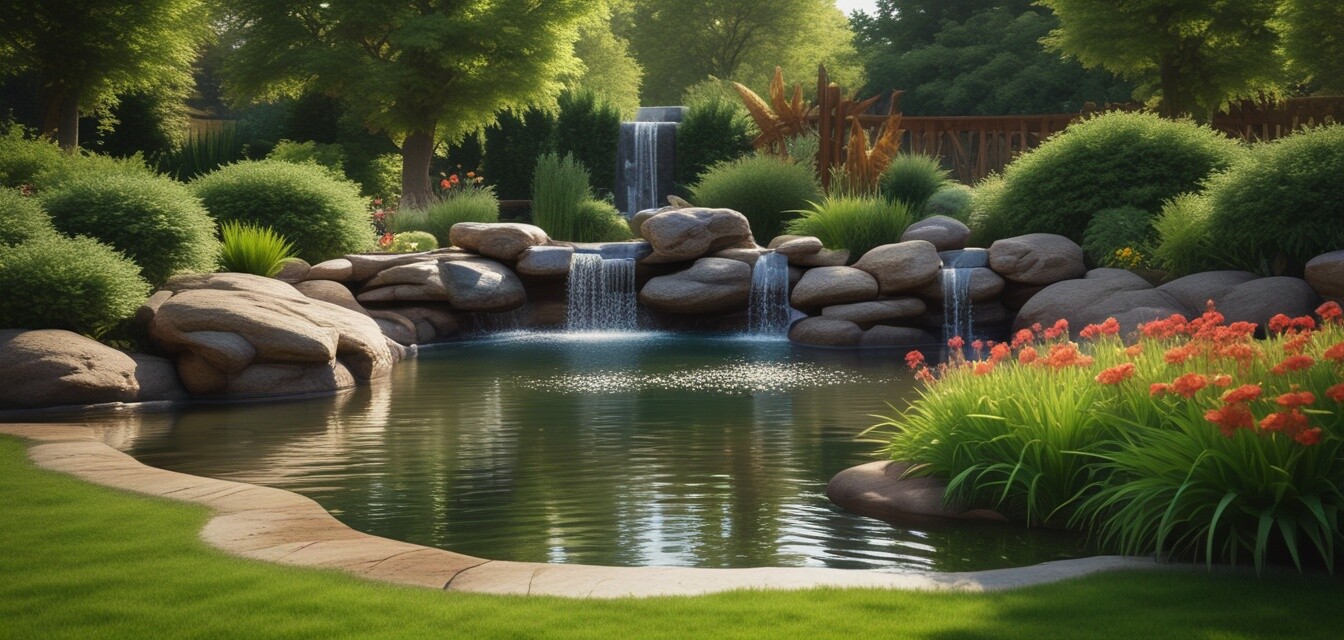
Smart Water Features
Key Takeaways
- Smart water features enhance the aesthetic appeal of outdoor spaces.
- They offer increased functionality with automated controls and monitoring.
- Smart technology can significantly reduce maintenance efforts.
- Common types include fountains, ponds, and waterfalls, each with unique benefits.
- Integration with smart home systems can improve efficiency and ease of use.
Incorporating smart water features into your landscaping not only enhances the beauty of your outdoor space but also offers practical benefits. From fountains that create a serene ambiance to ponds that attract wildlife, smart water features are becoming essential elements in modern landscaping. This article will explore the various types of smart water features, their benefits, and how you can integrate them into your yard.
Understanding smart water features
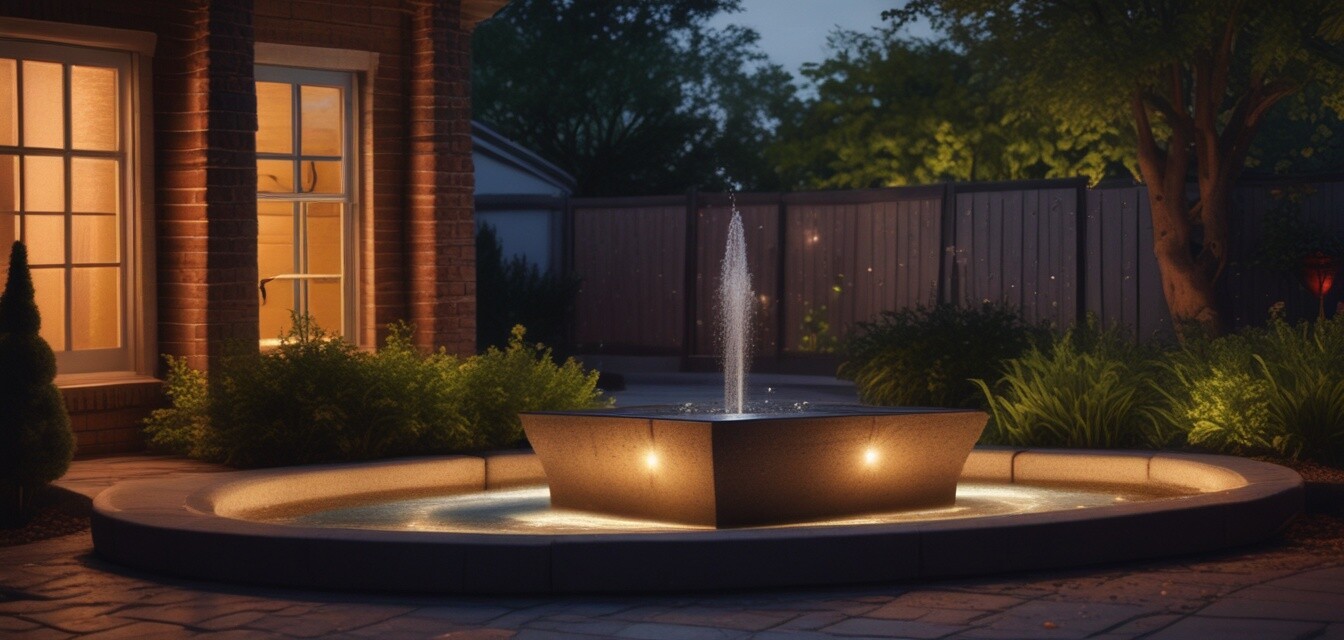
Smart water features utilize technology to automate their operation, making them easier to manage and more efficient. These features can range from simple fountains to complex pond systems, each serving unique purposes. Here are some key types of smart water features you might consider:
| Type | Description | Benefits |
|---|---|---|
| Fountains | Water features that spray or flow water, creating sound and visual appeal. | Enhances aesthetics, attracts wildlife, and can be automated for timing. |
| Ponds | Water bodies that can host aquatic life and plants. | Natural habitat for wildlife, offers cooling effects, and can be automated for maintenance. |
| Waterfalls | Flowing water that cascades from one level to another. | Creates soothing sounds, improves air quality, and enhances landscape design. |
Benefits of smart water features
Smart water features come with a wide range of benefits that can transform your outdoor space:
Pros
- Easy maintenance and operation through automation.
- Enhanced aesthetic appeal and property value.
- Environmentally friendly options available.
- Ability to integrate with smart home systems for remote control.
- Encourages biodiversity by attracting various wildlife.
Cons
- Initial installation costs can be high.
- Requires regular checks for technology updates.
- Weather conditions can affect performance if not properly designed.
- May require a power source, depending on the feature.
Types of smart water features
Smart water features can be categorized based on their design and functionality. Here are some popular options:
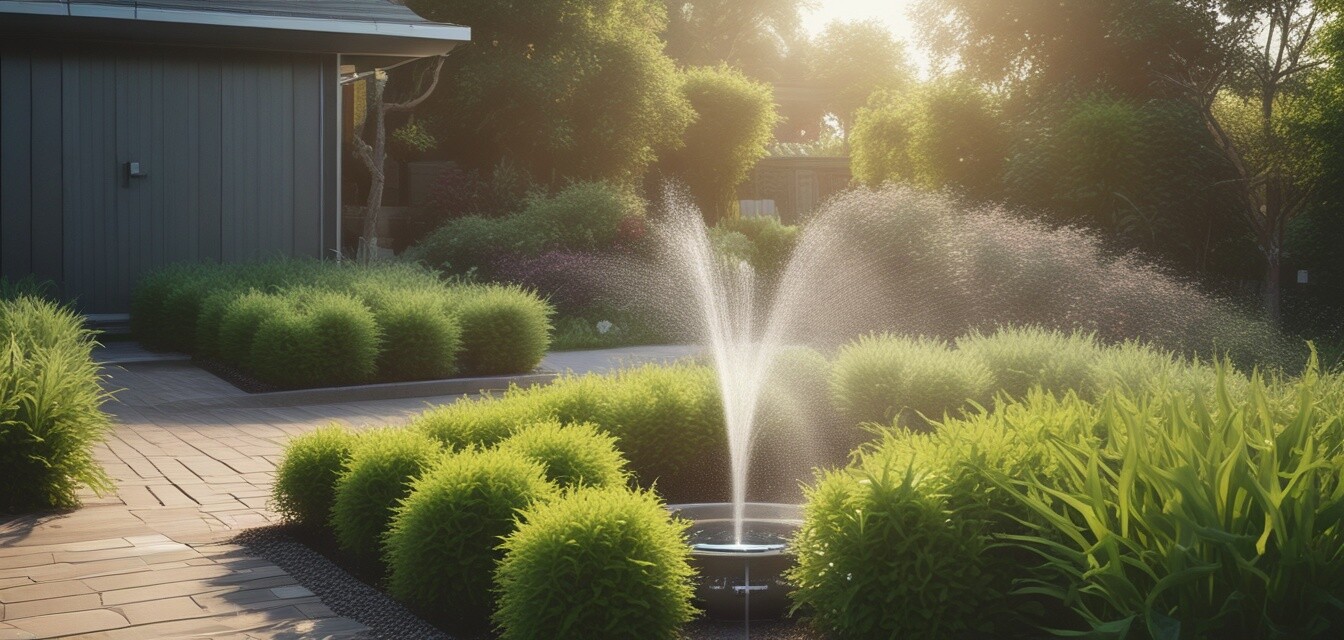
- Solar Fountains: Powered by solar panels, these fountains operate without electricity, making them cost-effective and eco-friendly.
- Smart Pond Systems: These systems monitor water quality and automatically adjust conditions for optimal health of aquatic life.
- Automated Waterfalls: These can be programmed to run at specific times, creating a dynamic atmosphere in your garden.
- Interactive Water Displays: These features can change patterns and colors, providing entertainment and visual stimulation.
Integrating smart water features into your landscaping
When adding smart water features to your yard, consider the following tips to ensure successful integration:
Tips for beginners
- Assess your available space and choose a feature that fits well within your landscape.
- Consider the maintenance requirements of the feature you choose.
- Research local wildlife to ensure your feature supports a healthy ecosystem.
- Integrate with existing smart home systems for streamlined control.
- Plan for necessary electrical and water connections to avoid future complications.
Maintaining your smart water features
While smart water features are designed for easier maintenance, they still require some attention. Here are some maintenance tips:
| Maintenance Task | Frequency | Notes |
|---|---|---|
| Water quality testing | Weekly | Ensure pH and nutrient levels are balanced. |
| Debris removal | As needed | Remove leaves and debris to prevent clogging. |
| System checks | Monthly | Inspect pumps, filters, and any automated controls. |
| Winterization | Seasonal | Prepare features for cold weather to prevent damage. |
Conclusion
Smart water features not only beautify your outdoor space but also provide practical benefits through automation and efficiency. By understanding the types available and their benefits, you can make informed decisions that enhance your landscape while enjoying the convenience of modern technology.
Explore more about incorporating smart elements into your yard with our guides on smart irrigation systems and smart outdoor lighting. Additionally, check out our battery-powered yard tools for a complete outdoor automation strategy.
Further reading
For those looking to delve deeper into outdoor automation, consider reading our articles on robotic lawn mowers and weather monitoring systems. Each of these systems can further enhance your outdoor experience by providing even more control and efficiency.