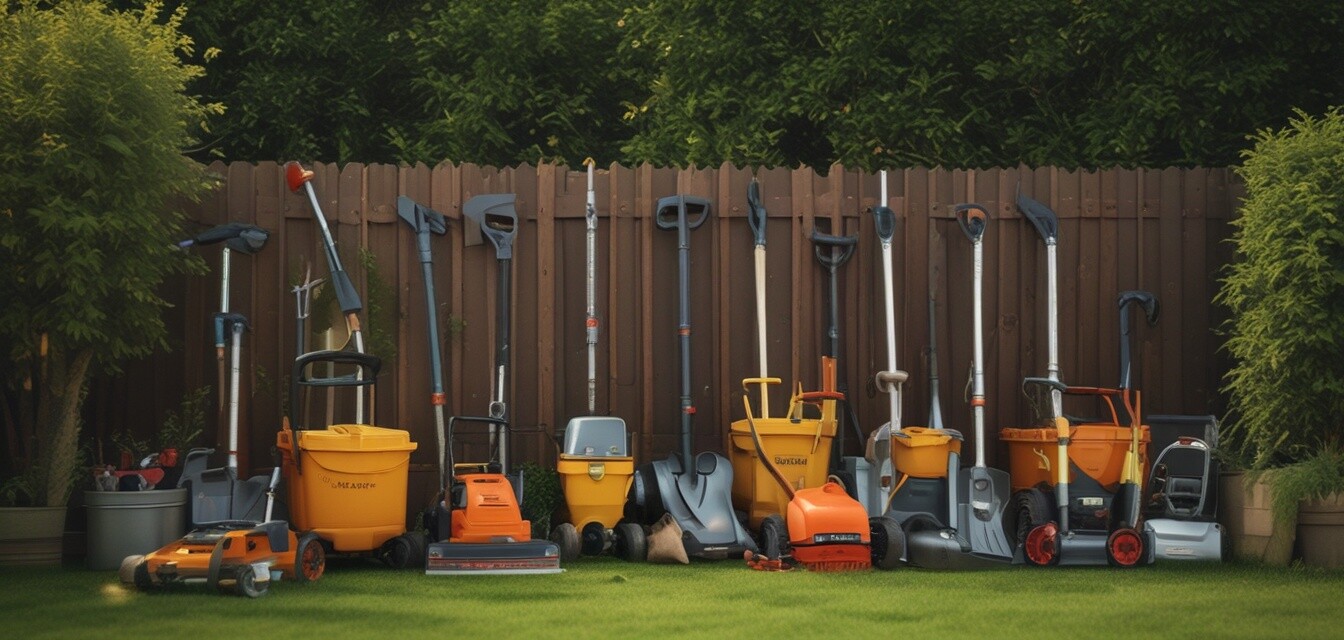
Home Energy Management for Outdoor Spaces
Key Takeaways
- Home energy management focuses on reducing energy consumption.
- Utilizing smart technology can aid efficiency in outdoor tools.
- Battery-powered tools are eco-friendly alternatives to gas-powered ones.
- Smart irrigation systems save water and energy.
- Proper outdoor lighting can enhance security and aesthetics while being energy efficient.
Home energy management is not just for inside our houses; it extends to our outdoor spaces as well. By adopting energy-efficient tools and smart technology, homeowners can enjoy lush gardens and vibrant lawns without breaking the bank on energy costs. In this article, we’ll explore various outdoor energy management solutions, with a primary focus on optimizing energy consumption, increasing efficiency, and supporting eco-friendly practices. Dive in as we explore the latest products that help achieve these eco-efficient goals!
Why manage energy in outdoor spaces?
Outdoor spaces often consume a considerable amount of energy—whether through traditional gas-powered lawn tools, excessive watering habits, or inefficient lighting practices. Understanding energy management in these areas not only leads to cost savings but also contributes to a more sustainable environment. Some benefits include:
- Reduced energy and water consumption
- Lower utility bills
- Improved sustainability efforts
- Enhanced property value
Key elements of home energy management for outdoors
1. Battery-powered yard tools
Battery-powered tools represent a significant advancement in outdoor maintenance technology, providing a quieter and more eco-friendly alternative to gas-powered equipment.
2. Smart irrigation systems
These systems not only save water but also reduce energy consumption by using sensors and timers to optimize watering schedules based on plant needs and weather conditions.
- Wi-Fi-enabled timers
- Moisture sensors
- Remote control capabilities
Discover smart irrigation systems here
3. Smart outdoor lighting
By utilizing LED technology and solar-powered options, smart lighting systems can significantly reduce energy usage while enhancing safety around your property.

Key features of smart outdoor lighting:
- Motion detection sensors
- Adjustable brightness settings
- Remote management through smartphone apps
Explore smart outdoor lighting options here
4. Weather monitoring systems
These systems help in anticipating weather changes, ultimately allowing homeowners to manage their outdoor energy use effectively. Smart weather stations can provide real-time data and notifications.
Tips for beginners in outdoor energy management
- Start by replacing traditional yard tools with battery-powered models.
- Install moisture sensors to improve watering efficiency.
- Use LED lights and feature solar options where possible.
- Invest in a weather monitoring system to stay updated on conditions that affect your yard.
Case Study: Real-world impact of home energy management
Let’s take a look at how a homeowner, John, revamped his outdoor space with effective energy management:
| Element | Before Management | After Management |
|---|---|---|
| Energy Costs | $200/month | $80/month |
| Water Usage | 5,000 gallons/month | 2,500 gallons/month |
| Tool Efficiency | Gas-powered tools | Battery-powered tools |
Conclusion: Take control of your outdoor energy management
Implementing a sustainable and efficient energy management system for your outdoor space not only benefits your finances but also contributes positively to the environment. With the variety of battery-powered tools, smart irrigation systems, outdoor lighting, and weather monitoring options available, making the transition has never been easier.
Pros
- Reduced energy and water costs
- More eco-friendly alternatives to traditional equipment
- Enhanced outdoor aesthetics and functionality
Cons
- Initial investment costs can be high
- Requires learning new technology
- Maintenance of systems can be needed
Additional Resources
For more information and tools, check out our other related articles: