Smart Irrigation Systems
Key Takeaways
- Smart irrigation systems optimize water usage through advanced technology.
- They can be integrated with weather data for efficient watering schedules.
- Installation can vary based on system type and garden layout.
- Long-term savings can be significant through reduced water bills and healthier plants.
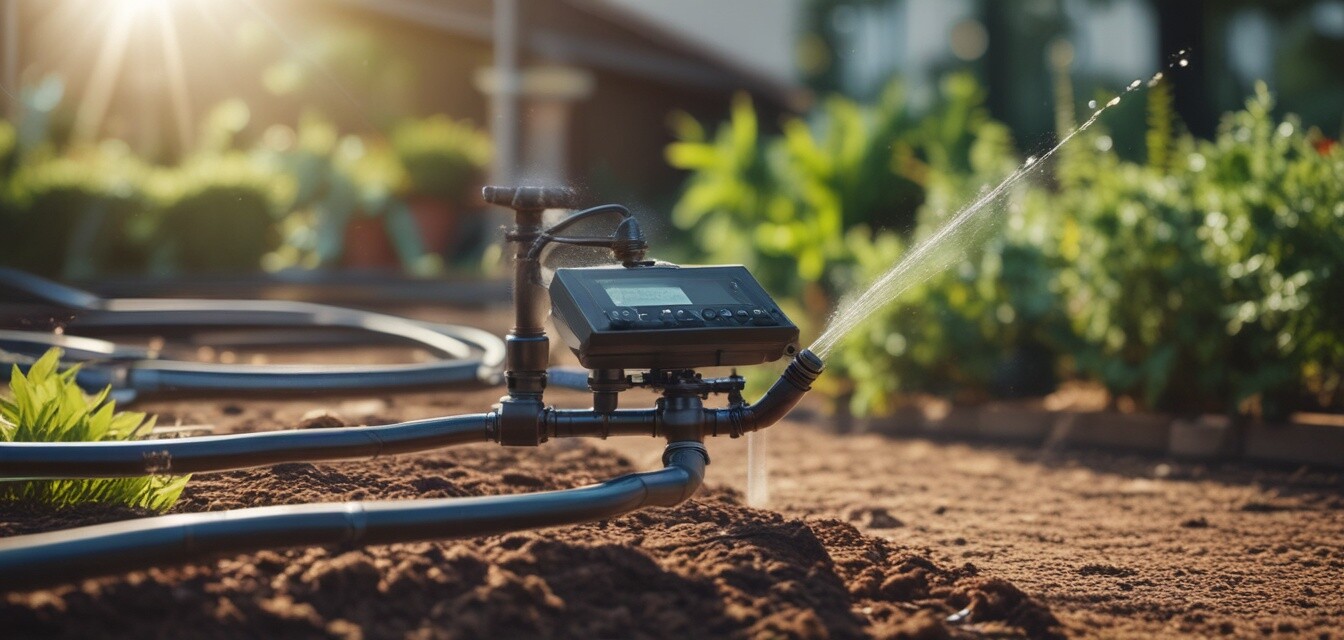
Smart irrigation systems are revolutionizing how homeowners manage their gardens and lawns. These systems not only save water but also ensure that plants receive the optimal amount of hydration. In this article, we will delve into the various technologies available, their water-saving features, installation guidelines, and how they can integrate into your existing outdoor automation systems.
Understanding Smart Irrigation Technologies
Smart irrigation systems come in different types, each with unique functionalities. Here, we explore some of the most popular technologies:
| Technology Type | Description | Benefits |
|---|---|---|
| Weather-Based Controllers | Adjust watering schedules based on local weather data. | Maximized efficiency, reduced water waste. |
| Soil Moisture Sensors | Monitor soil moisture levels and adjust watering accordingly. | Prevents overwatering and encourages healthier plants. |
| Smart Sprinklers | Automated sprinkler systems that can be controlled via apps. | Convenience and control from anywhere. |
Water-Saving Features
One of the primary motivations for adopting a smart irrigation system is the potential for significant water savings. Here are some key features that contribute to this efficiency:
- Real-time Data: Many systems provide real-time hydration data, allowing for precise watering schedules.
- Rain Delay: Automatically suspends watering during rain, preventing unnecessary water usage.
- Zone Control: Water different areas of your garden according to their specific needs.
Integration with Other Outdoor Automation Systems
Smart irrigation systems can easily integrate with other outdoor automation solutions. This creates a cohesive system that enhances the efficiency of your outdoor space. Here’s how:
- Smart irrigation systems can work in conjunction with smart outdoor lighting to maximize energy efficiency.
- Integrating with weather monitoring systems allows for more responsive irrigation.
- Smart battery-powered yard tools can complement your irrigation system by ensuring your garden is well-maintained.
Installation Guidelines
Installing a smart irrigation system may seem daunting, but with the right approach, it can be a straightforward process. Here are some steps to guide you:
- Assess your garden layout and determine the zones based on plant types and sunlight exposure.
- Select a smart irrigation system that fits your needs and budget.
- Follow the manufacturer’s installation instructions, ensuring that all components are securely connected.
- Test the system to confirm that all zones are receiving adequate water.
- Set up the control app for ongoing monitoring and adjustments.
Maintaining Your Smart Irrigation System
After installation, regular maintenance is crucial for optimal performance. Here are some tips to keep your system running smoothly:
Tips for beginners
- Regularly check for clogs in the irrigation lines.
- Update the control app to access new features and improvements.
- Monitor water usage to identify any discrepancies or leaks.
Conclusion
Smart irrigation systems are an excellent investment for homeowners looking to create a sustainable and efficient garden. By understanding the different technologies, water-saving features, and installation guidelines, you can make an informed decision that benefits both your plants and your wallet.
Pros
- Significant water savings.
- Healthier plants through tailored watering.
- Convenient control via smartphone apps.
- Integration with other smart devices enhances efficiency.
Cons
- Initial installation costs can be high.
- Requires ongoing maintenance and updates.
- May not be suitable for all garden types.