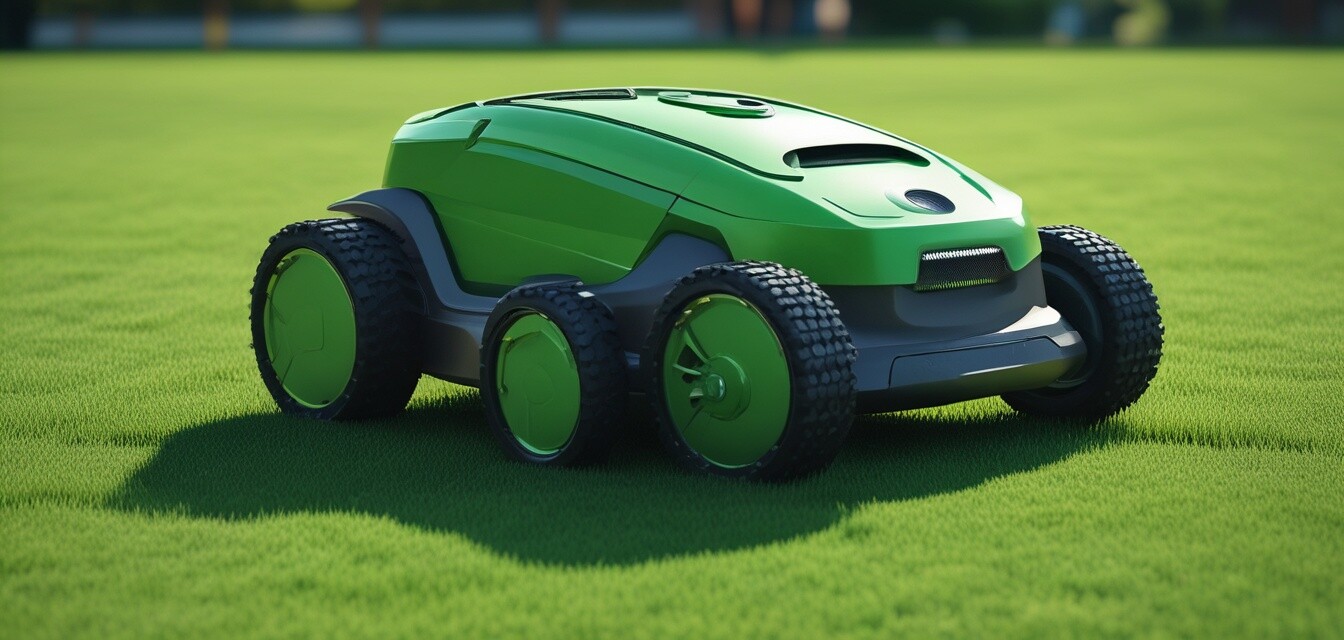
Smart Robotic Lawn Mowers
Key Takeaways
- Smart robotic lawn mowers automate lawn care tasks, saving time and effort.
- Features vary by model, including navigation systems, smart connectivity, and customizable cutting schedules.
- Compatibility with battery-powered tools and smart irrigation systems enhances outdoor automation.
- Regular maintenance is essential for optimal performance and longevity.
As homeowners look for ways to simplify yard maintenance, smart robotic lawn mowers have emerged as a popular solution. These innovative machines not only keep your lawn looking pristine but also free up your time for other tasks. In this article, we will explore the various models, features, compatibility, and maintenance tips for selecting and managing your robotic lawn mower.
What are smart robotic lawn mowers?
Smart robotic lawn mowers are automated machines designed to cut grass with minimal human intervention. Equipped with advanced technology, these devices navigate your yard, detect obstacles, and return to their charging stations when necessary. They are part of a growing trend in outdoor automation, allowing homeowners to maintain beautiful lawns without the labor-intensive work.
Key features of smart robotic lawn mowers
| Feature | Description |
|---|---|
| Navigation System | Utilizes GPS and sensors to map the lawn and avoid obstacles. |
| Smart Connectivity | Can be controlled via smartphone apps, enabling remote management. |
| Cutting Height Adjustment | Allows customization of cutting height to suit different grass types. |
| Weather Sensors | Detects rain and wet conditions to prevent mowing when unnecessary. |
| Scheduling | Users can set specific mowing times for maximum convenience. |
Types of smart robotic lawn mowers
There are several types of smart robotic lawn mowers, each with unique features tailored to various lawn sizes and terrains:
- Entry-level models: Ideal for small yards with basic features.
- Mid-range models: Suitable for medium-sized lawns, offering more advanced features and enhanced navigation.
- High-end models: Designed for large properties, these offer extensive coverage, advanced smart features, and top-notch performance.
Compatibility with outdoor automation systems
Smart robotic lawn mowers can seamlessly integrate with other outdoor automation systems. Here are some key compatibilities:
- Smart irrigation systems help optimize lawn watering schedules.
- Battery-powered yard tools can share battery systems, reducing the need for multiple chargers.
- Weather monitoring systems provide real-time weather data, enhancing mowing schedules.
Maintenance tips for smart robotic lawn mowers
To keep your robotic lawn mower performing at its best, regular maintenance is crucial. Below are some practical maintenance tips:
- Clean the mower: Remove grass clippings and debris after each use.
- Check the blades: Inspect and sharpen the blades regularly for a clean cut.
- Update software: Keep the mower's software up to date for optimal performance.
- Inspect the battery: Monitor battery health and replace if necessary.
Pros and cons of smart robotic lawn mowers
Pros
- Automates lawn mowing, saving time and effort.
- Offers precise cutting for a well-manicured lawn.
- Can be programmed for specific schedules.
- Environmentally friendly with battery-powered options.
Cons
- Initial investment can be high.
- May require maintenance and repairs over time.
- Performance can be affected by uneven terrain or obstacles.
- Some models may struggle with thick or tall grass.
Choosing the right robotic lawn mower for your yard
When selecting the ideal robotic lawn mower, consider the following factors:
- Lawn size: Measure your lawn area to choose a model with adequate coverage.
- Terrain type: Assess your yard's terrain; hilly yards may need specialized models.
- Features: Determine which features are important for your mowing needs.
- Budget: Set a budget while considering both initial costs and long-term maintenance.
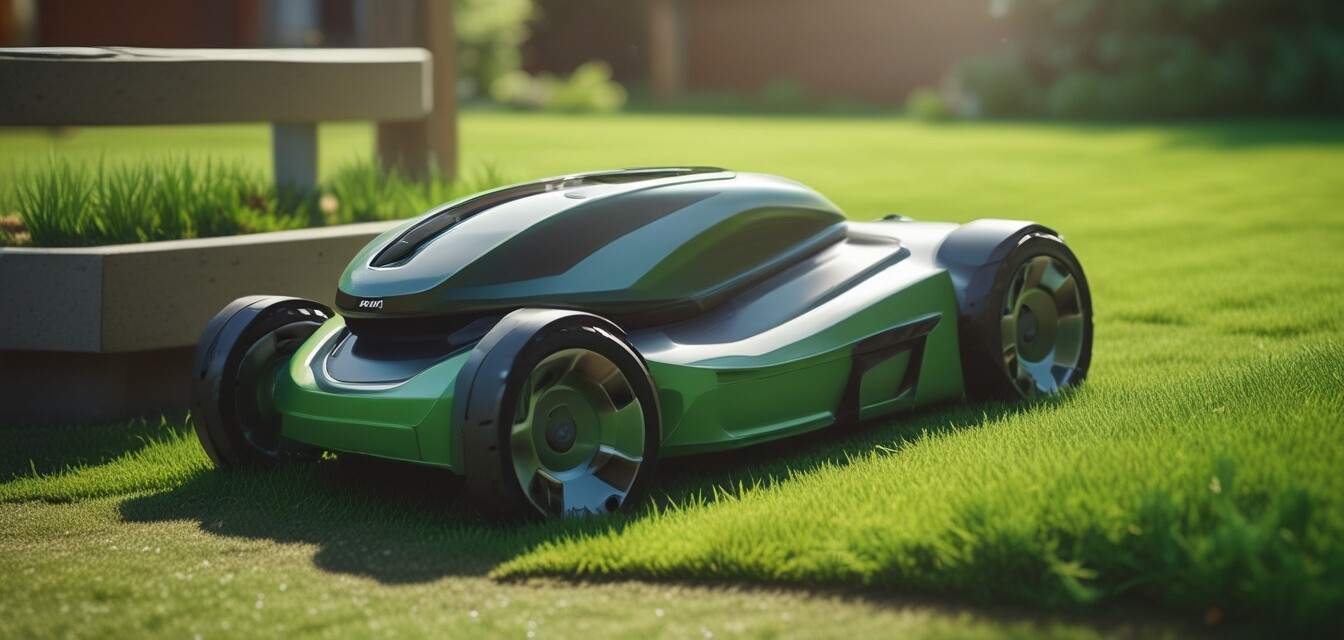
Future of smart robotic lawn mowers
As technology continues to advance, we can expect smart robotic lawn mowers to become even more efficient and user-friendly. Innovations in artificial intelligence and machine learning will enhance their navigation, making them capable of tackling more complex terrains and optimizing mowing schedules based on lawn health and weather conditions.
Conclusion
Smart robotic lawn mowers represent a significant advancement in outdoor maintenance technology. With their ability to automate mowing tasks, they save homeowners valuable time while ensuring a beautifully manicured lawn. By understanding the various models, features, and maintenance requirements, you can make an informed decision that fits your yard's specific needs.
Tips for beginners
- Start with a basic model if you’re new to robotic mowers.
- Read the manual thoroughly before operation.
- Regularly check for firmware updates to keep your mower running smoothly.
- Join online forums or communities for tips and troubleshooting advice.
For more information on optimizing your outdoor automation experience, check out our other guides on smart irrigation systems, battery-powered yard tools, and more!